



Search engines shape how people discover brands, products, and information online. Today, understanding SERP’s meaning isn’t optional anymore — it’s essential. If your website doesn’t show up on the platforms users use to search, you’re missing a chance to attract traffic, build trust, and grow your business.


Every one of those searches triggers a results page designed to answer the query. Whether it’s Google, Bing, or another search engine, that page is a mix of content types, layouts, and signals that determine which results grab attention and earn clicks. This guide breaks down how search engine results pages work, why they matter, and how you can optimize for them in today’s search landscape.
What are SERPs?
SERPs, short for Search Engine Results Pages, are the pages search engines show after a user submits a query. In simple terms, SERP is how your website appears when someone searches for something related to your business.
A SERP can include organic listings, paid ads, images, videos, featured answers, maps, etc. However, not every SERP looks the same way. Some searches return a clean list of links, while others are packed with interactive elements. To understand the essence of SERPs, one must go beyond rankings and pay attention to what appears around the result and how that affects clicks and visibility.
How SERPs work behind the scenes
Search engines don’t randomly decide what shows up on results pages. In fact, every SERP is generated through a complex process that evaluates relevance, quality, and user intent. At the center of this process is SEO SERP, which connects optimization efforts directly to how pages are selected and displayed.
Behind every search result is a system designed to deliver the most useful answer, as fast as possible. Moreover, these systems are constantly tested and refined to improve accuracy and user satisfaction.
Crawling, indexing, and ranking explained
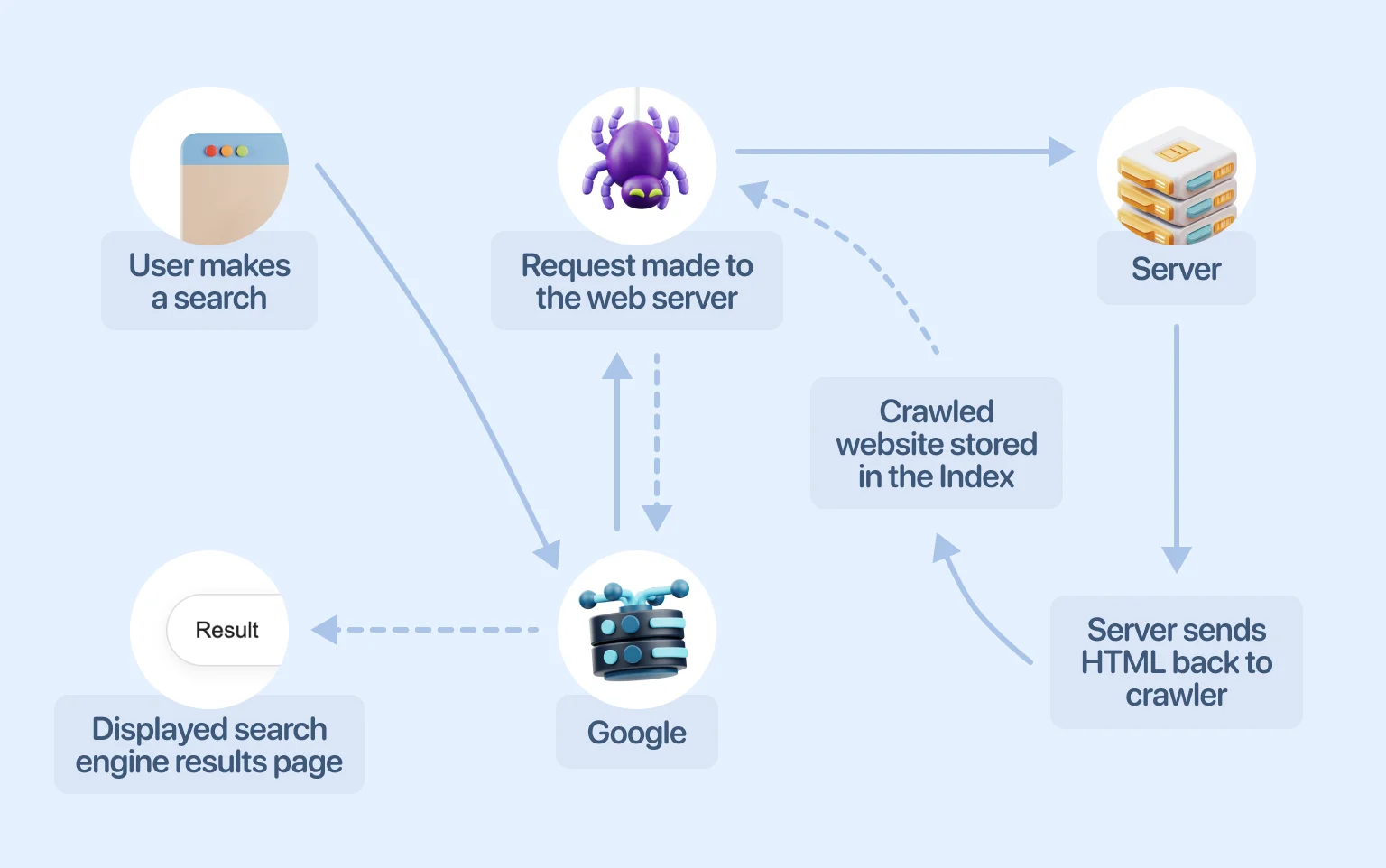
Before we can see a page on a SERP, search engines need to discover and understand it. Crawling sets up the process by having bots scan the web for new or updated pages. Then, those pages are indexed, meaning their content is stored and organized.
“The best rankings are earned, not assigned. A page must prove its worth through relevance, clarity, and quality before getting to the top of the SERP.”
After that comes SERP ranking. Here, search engines compare indexed pages using hundreds of signals, such as relevance, page quality, and user experience, to decide which results deserve top positions.
Factors influencing SERP layouts
SERPs vary based on many factors. One major thing is search intent. While informational queries often trigger answers, snippets, or guides, transactional searches may show ads and shopping results.
Another factor is personalization. It’s not only your search history, but also your location and device type that can influence what you see. Finally, algorithm updates and ongoing experimentation constantly reshape how SERP features appear and interact on the page.
Adapting to these shifts requires more than tracking rankings — it means aligning content with intent, format, and algorithm signals. A structured SEO content strategy makes it easier to identify where visibility is moving, respond to updates, and strengthen performance across modern search results. This is where SEO Consulting can help turn SERP changes into measurable growth.
Core elements of a SERP
While layouts vary, most SERPs share a set of core elements that form the foundation of search results. These elements determine where attention goes and how users interact with the page. Understanding them makes it easier to see where opportunities exist and which areas deserve your focus. Thus, let’s break down the basics of SERP.
Organic results
First things first, organic results are unpaid listings, influenced by content quality, relevance, and authority, not ad spend. They appear because search engines consider them the most relevant answers to a query. When users talk about earning visibility through SERPs, they typically mean organic listings.
This often includes a title, URL, and description, and sometimes additional enhancements like sitelinks or dates. To increase organic traffic, your pages must be relevant, consistent, and prioritize long-term effort.
Pro tip: organic rankings can suffer due to hidden issues like crawl errors, slow pages, or poor structure. A professional SEO Audit is a good option for uncovering what’s holding your site back and why search engines aren’t rewarding it.
Paid results (search ads)
Paid results appear when advertisers bid on keywords through platforms like Google Ads. These listings are marked as ads and typically show at the top or bottom of the page.
While ads don’t directly affect organic rankings, they do compete for attention. In competitive spaces, paid placements can push organic results further down, changing how users interact with SERP features and influencing overall click behavior.
“Visibility isn’t just about ranking first — it’s about standing out.”
SERP features
Modern search results go far beyond blue links. Today’s results pages are filled with enhanced elements designed to answer questions faster and guide user behavior more effectively. If you are interested in why ranking alone doesn’t guarantee visibility anymore, keep on reading about SERP features.
AI overviews
AI-generated summaries now appear for complex or broad queries, offering users quick explanations pulled from multiple sources. These overviews are changing how people interact with SERP, as many users find what they need without scrolling further or clicking through to individual websites.
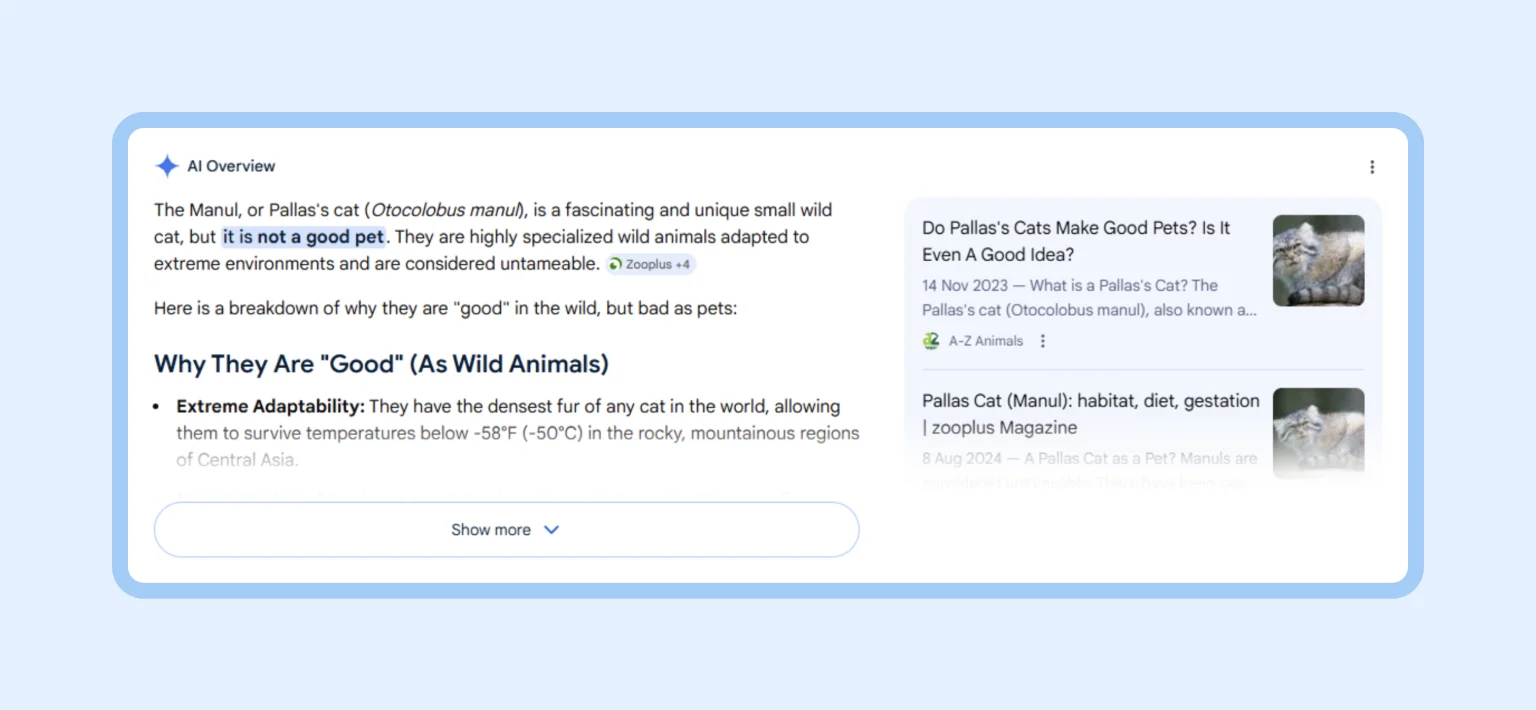
As a result, visibility within AI Overviews is becoming just as important as traditional rankings. Pages that are clear, well-structured, and trusted are more likely to be referenced, even when they aren’t the top organic result.
Featured snippets
Featured snippets highlight a short answer at the very top of the page, often pulled from a well-structured webpage. For brands, earning this position can significantly improve visibility within SERPs, even if the page itself isn’t ranked first organically. These snippets usually favor concise explanations, lists, or tables. That’s why content clarity and structure play such an important role in being selected.
People Also Ask (PAA)
Beyond direct answers, search engines also encourage exploration through the People Also Ask section. This feature expands with related questions and short answers, helping users dig deeper into a topic without leaving the results page.
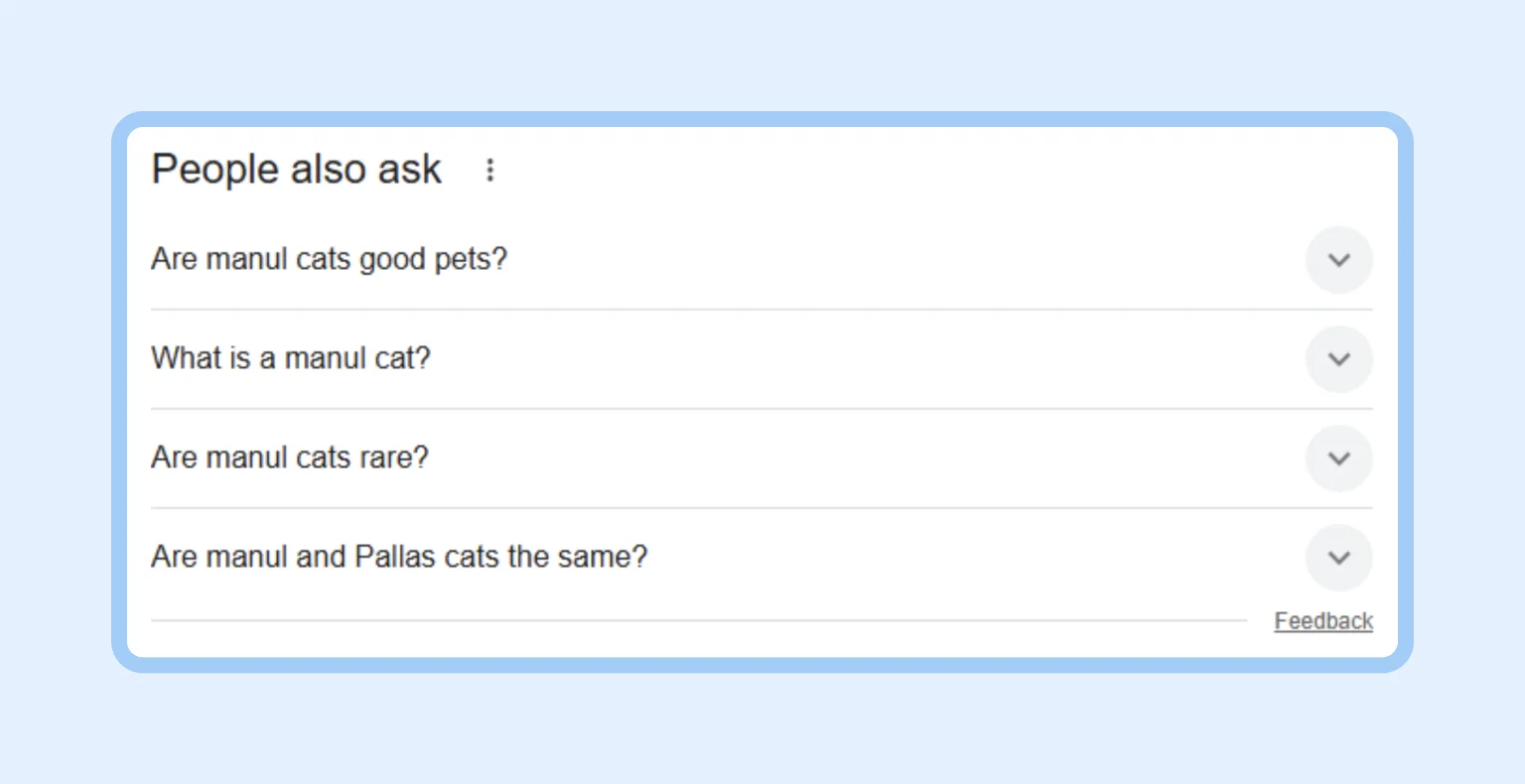
From an SEO perspective, clear headings and concise answers increase the chances of appearing in these expandable SERP results. Because the questions update dynamically, this section also reveals how search engines connect related topics.
Knowledge panel
For branded or entity-based searches, knowledge panels provide a different type of visibility. These panels appear for well-known brands, people, or organizations and usually sit on the right side of desktop results.
They reinforce trust and authority, which directly support long-term SERP ranking for branded searches. Since the information is pulled from trusted sources and structured data, consistency across the web is essential.
Top stories (news results)
When a topic is gaining popularity, search engines often surface Top Stories to prioritize freshness. This section showcases news articles from approved publishers and updates as soon as new information appears.
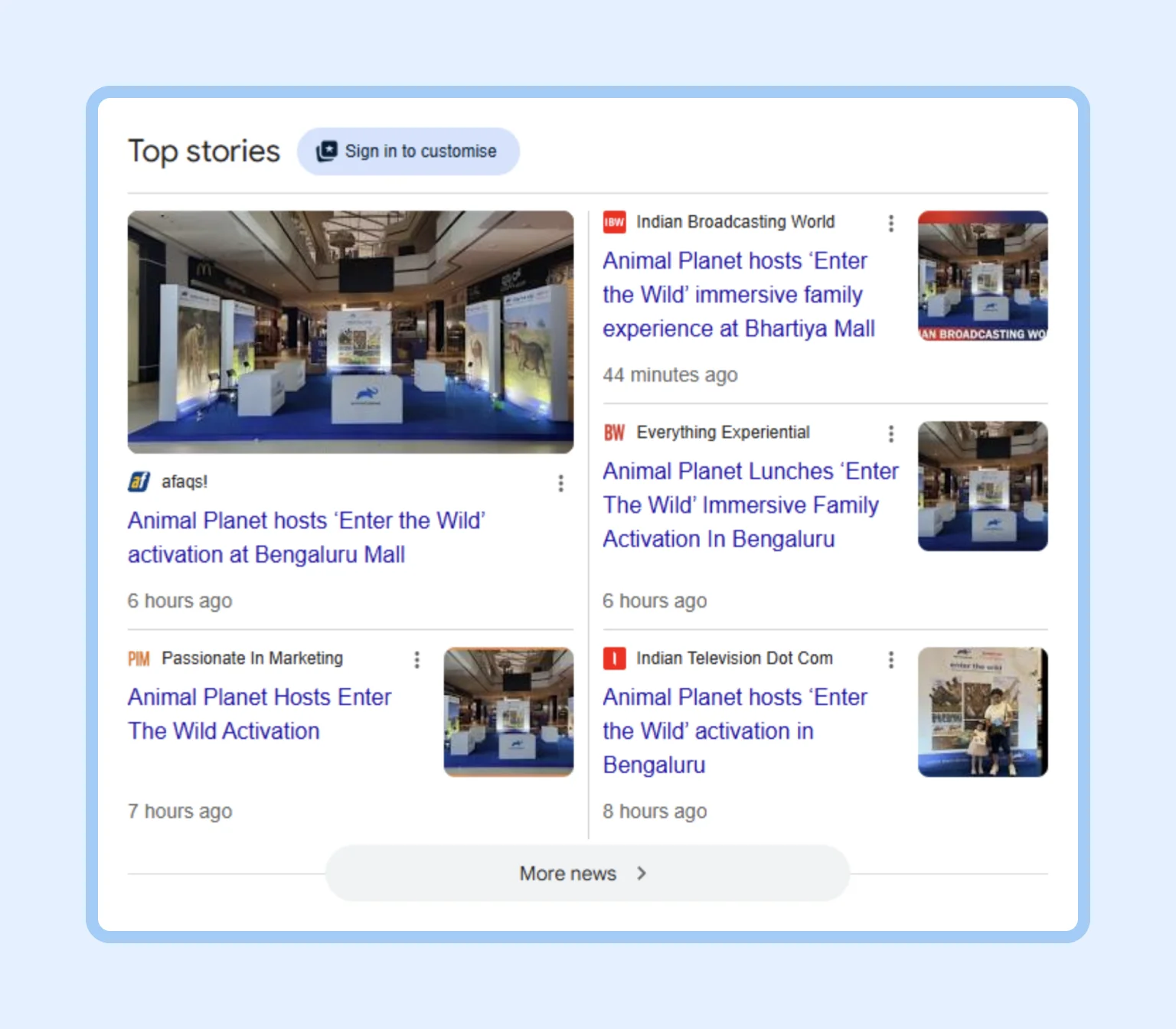
It highlights how search engines interpret freshness and relevance in the SEO SERP, especially in industries driven by real-time updates. Content timing matters here: when an article is on its way out, it’s quickly replaced with the next big thing.
“Search rewards timely insights: today’s updates outrank yesterday’s headlines.”
Image packs
If you search “how to decorate a cake,” image packs appear directly within the results page. For such queries, visuals add value. It’s true for inspiration-based searches, product discovery, and design-related topics.
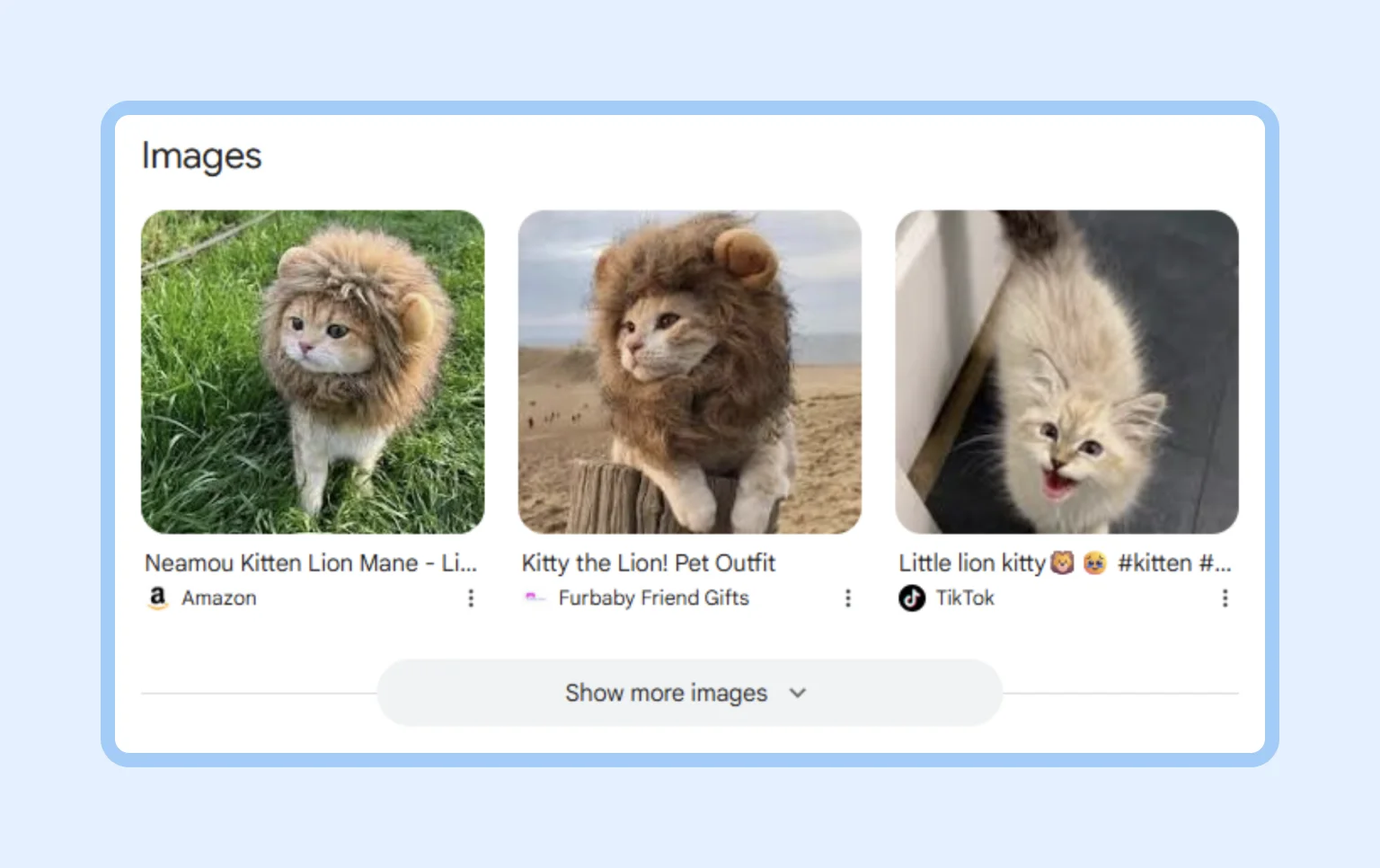
When the images are optimized, they can capture attention quickly, improving engagement across SERP SEO strategies. Optimization comes down to working on proper filenames, alt text, and image quality. These factors all influence visibility, especially for users browsing rather than researching in depth.
Video carousels
In some cases, video becomes the preferred format. Video carousels often pull content from platforms like YouTube and appear prominently for how-to or tutorial-based searches. In other situations, search engines display a short-video block that can include clips from not only YouTube but also social media platforms like TikTok and Instagram.
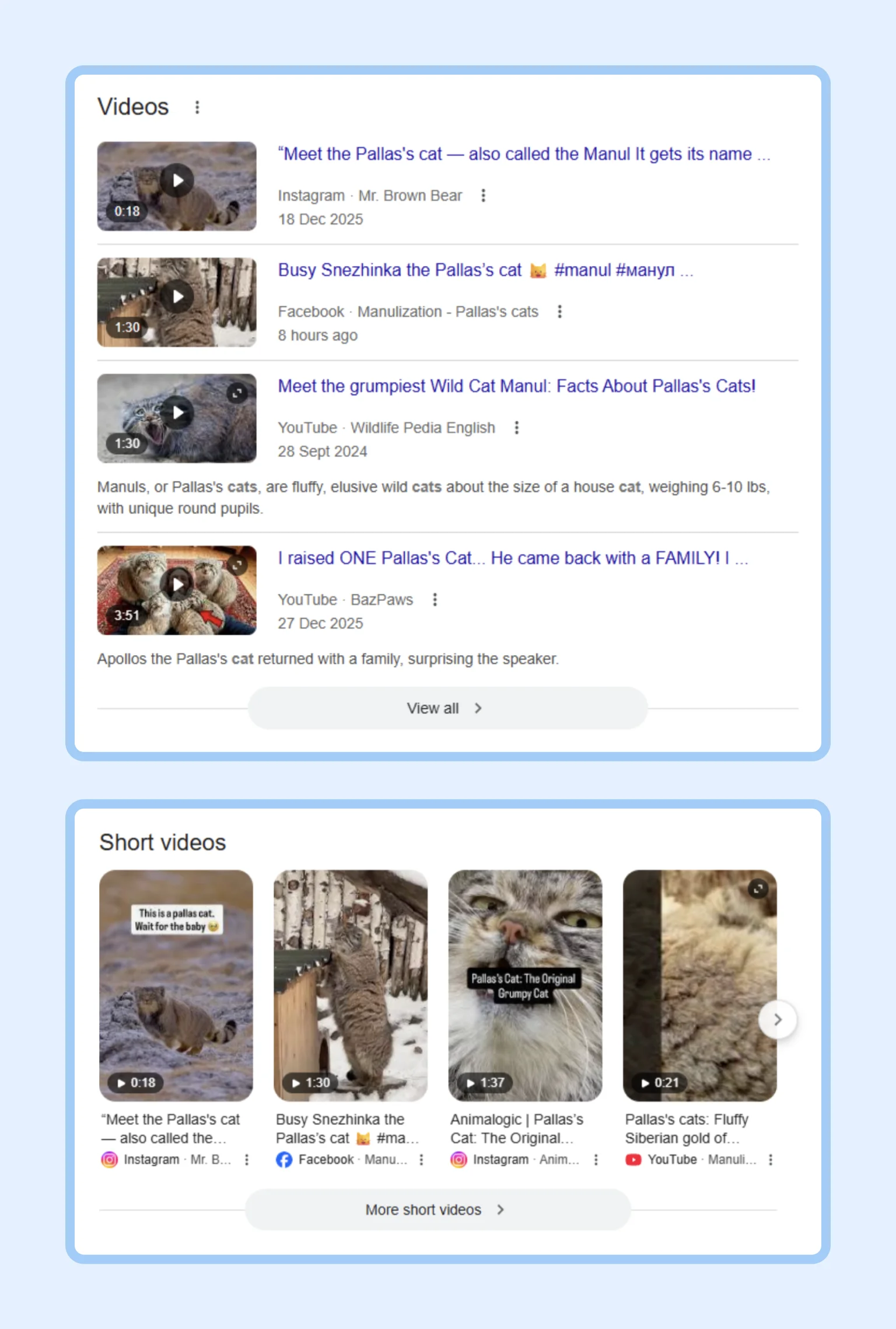
Including video content can strengthen visibility and diversify presence within SERP-driven results. The content with clear titles and descriptions helps search engines understand when video is the best format for a query.
Shopping results (product listing ads)
For product-focused searches, shopping results often dominate the page. If you are looking for the “best noise-canceling headphones,” you typically pay attention to images, prices, and reviews. These are exactly what you see in search results, blurring the line between paid and organic visibility.
They are especially common when users want to compare options quickly. In this case, search results focus less on links and more on showing the details people care about upfront.
Local pack (map results)
When a search has local intent, the local pack becomes the focal point. These results include a map, business listings, reviews, and contact details, making it easy for users to take action.
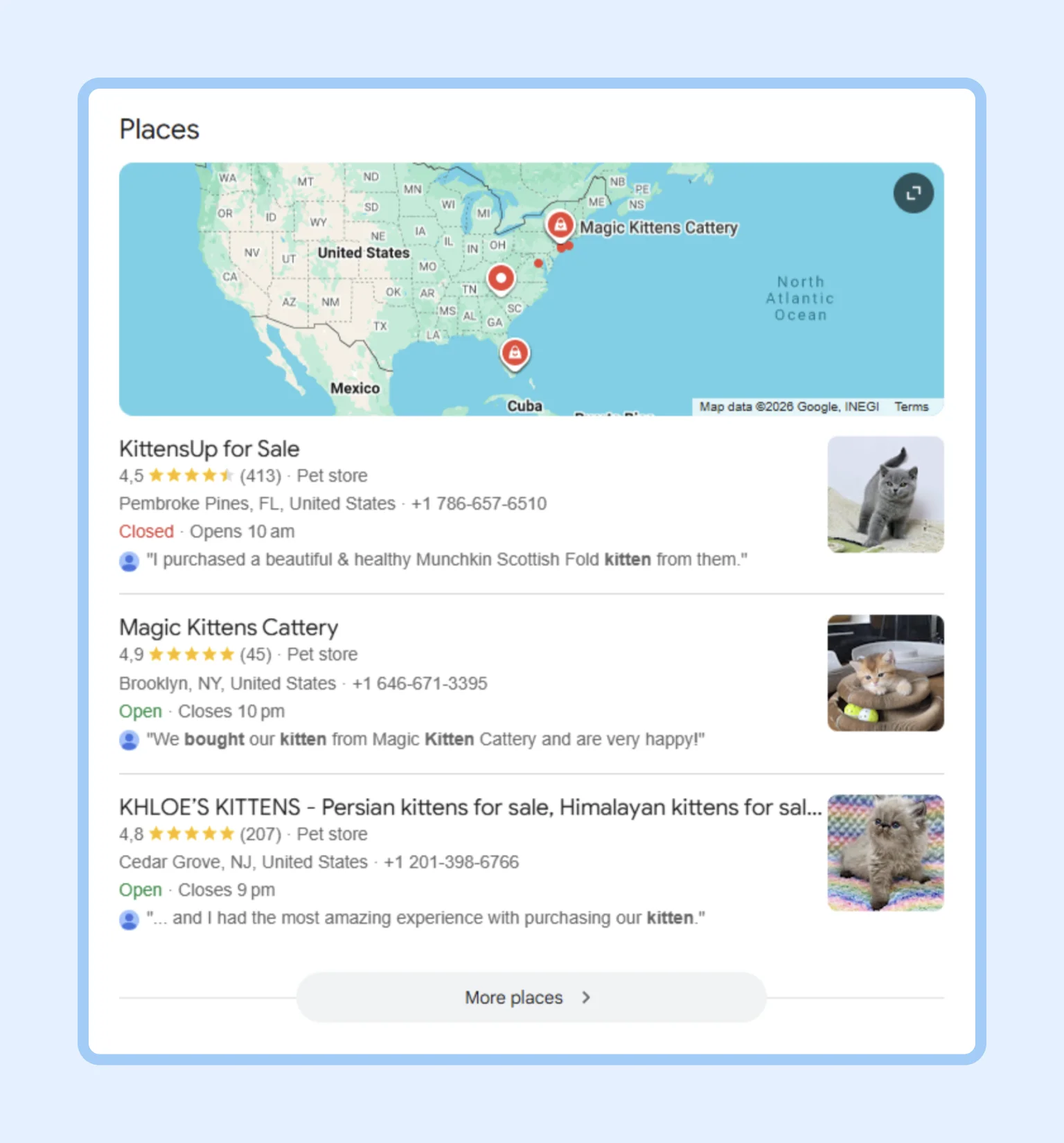
For local businesses, appearing here can significantly improve visibility within SERP, especially for mobile users. Accurate location data and customer reviews play a major role in these results.
Reviews & star ratings (rich snippets)
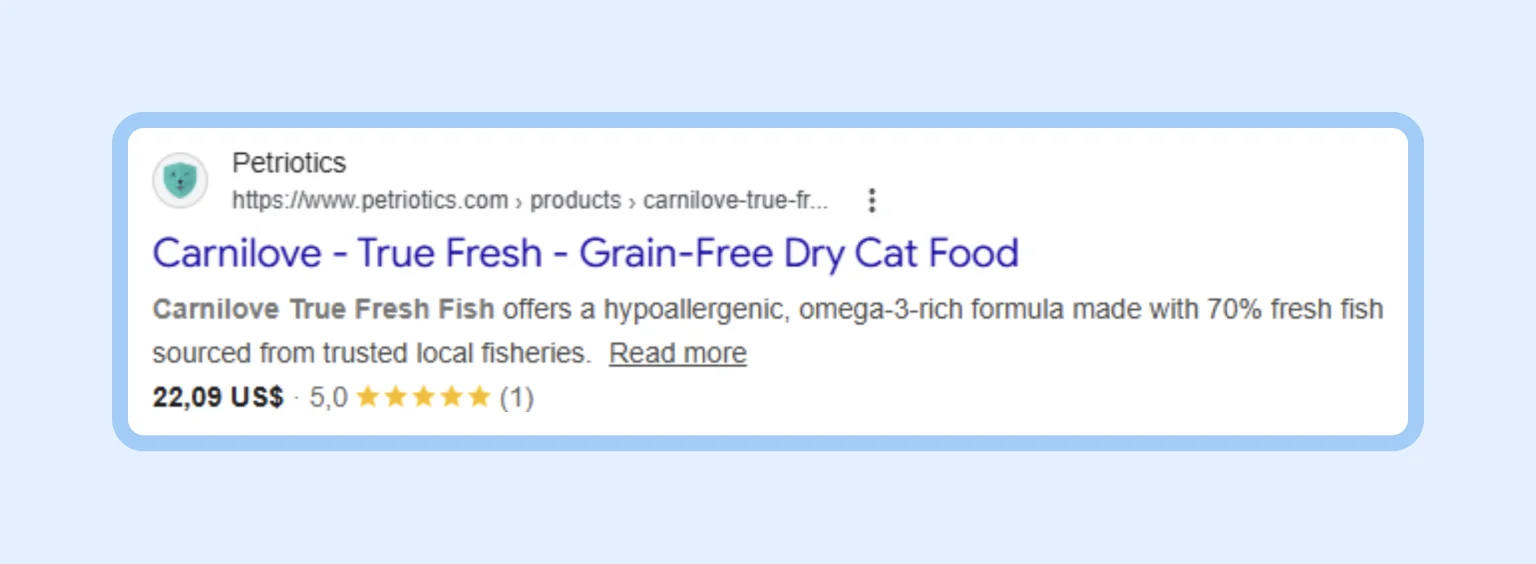
Visual trust signals also influence user decisions. Review stars and ratings appear when structured data is implemented correctly, making listings stand out at a glance.
From a competitive standpoint, SERP features like these can help one result outperform others. Even when rankings are similar, users tend to gravitate toward listings that signal credibility quickly.
Sitelinks
Another SERP feature is sitelinks. What’s special about them is that they help users navigate deeper into a website directly from the results page. You can find these additional links below the main search result.
Search engines automatically generate sitelinks, which point to key sections of a site. This, in turn, reinforces a strong site structure and SEO alignment. If your site has clear internal linking, it increases the likelihood of earning sitelinks.
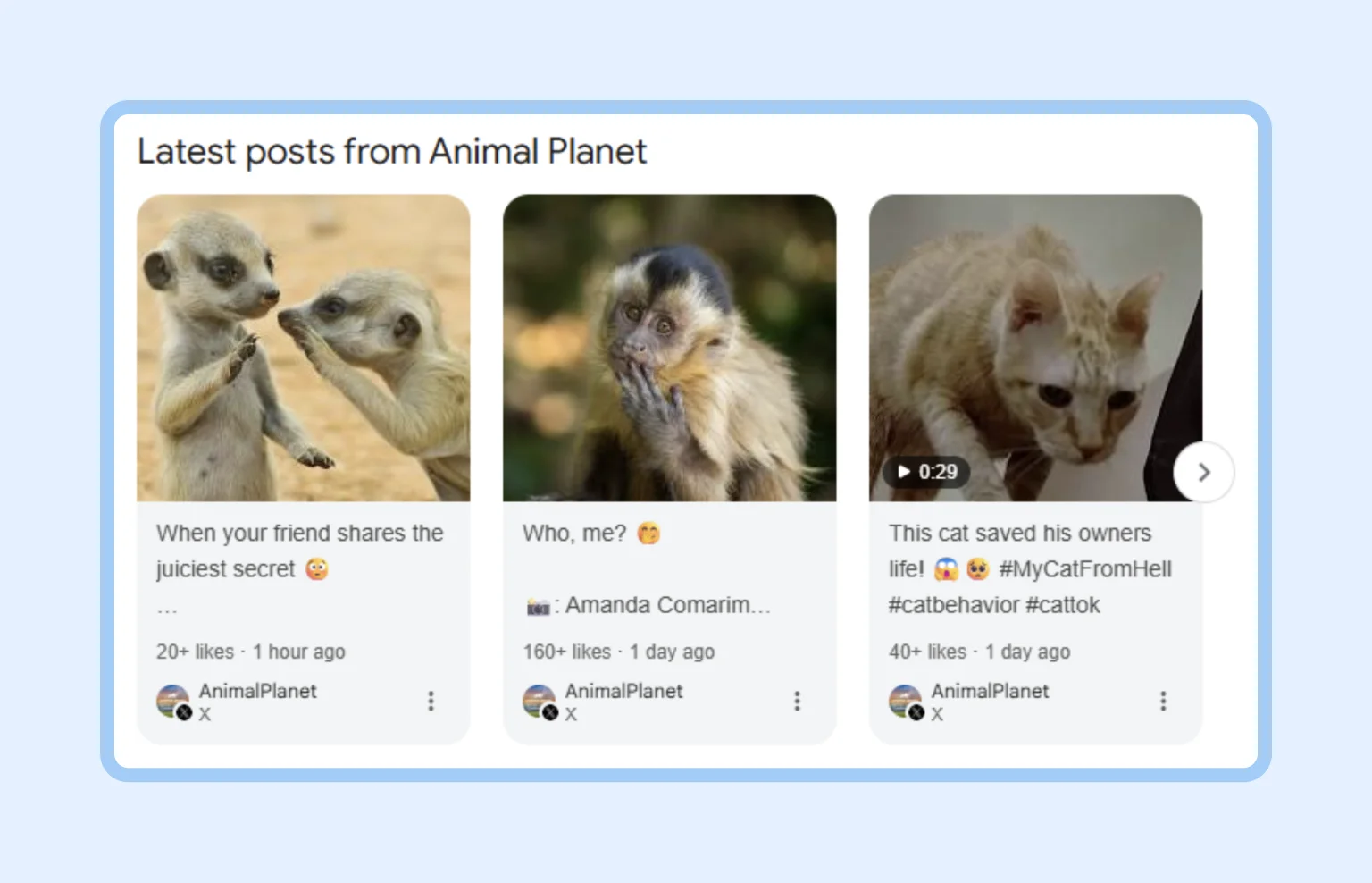
X carousels
For brand or trending-topic searches, search engines may also show recent posts from X (formerly Twitter). X carousels spotlight timely updates and ongoing conversations. Similar to top stories, these carousels add a real-time layer to SERPs that traditional webpages can’t always match. They are especially useful for events, announcements, and fast-moving topics.
Related searches
Finally, related searches appear at the bottom of the results page. In case you haven’t found what you were looking for, they offer alternative or complementary queries. These suggestions reveal how search engines understand user intent and topic connections. They also broaden SEO opportunities in SERPs by uncovering questions users tend to explore next.
Why SERPs matter for businesses & marketers
SERPs directly influence how people discover, evaluate, and engage with brands online. If your site isn’t visible in the right places, even great content can go unnoticed. That’s why understanding SERP behavior is critical for long-term growth.
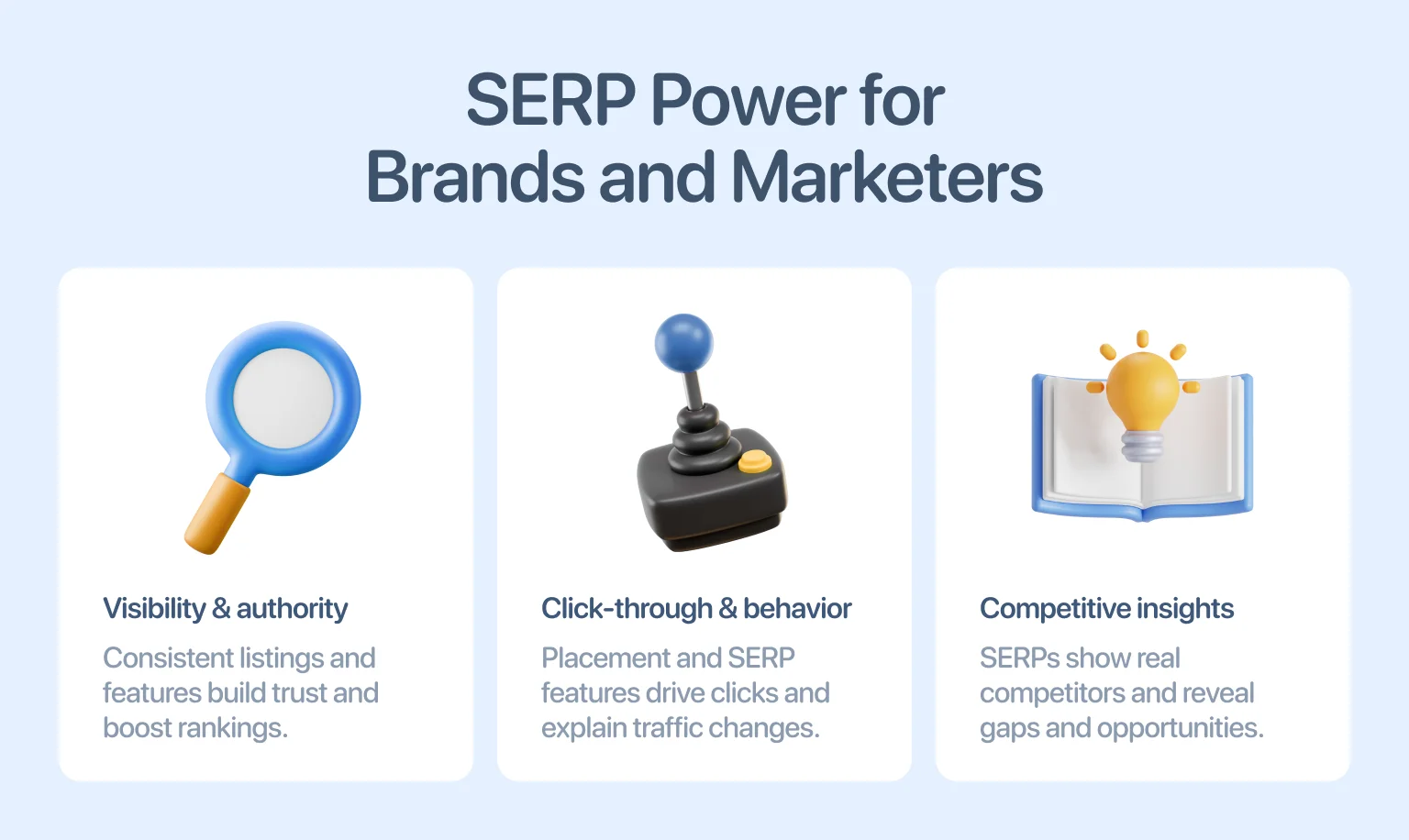
Visibility & brand authority
Consistent presence across different result types builds credibility. When users repeatedly see a brand in organic listings, features, or local results, trust grows naturally. Over time, this visibility strengthens SERP ranking and reinforces authority in your niche.
Click-through rates & user behavior
Where and how your result appears affects whether users click. SERP features can either steal attention or amplify it, depending on your strategy. If traffic is down, it’s often a sign that something deeper is off. Monitoring changes in SERP features, SEO can also explain sudden drops or spikes in traffic, especially when layouts shift.
Competitive insights
Analyzing SERPs reveals who you’re really competing with. Sometimes, it’s not direct business rivals but publishers, marketplaces, or aggregators. Studying these pages helps you identify gaps, opportunities, and realistic goals.
Strategies to optimize for modern SERPs
Optimizing for today’s search results requires more than traditional SEO. You need to account for layouts, intent, and evolving features. A flexible approach to SERP makes sure your strategy stays effective even as results pages change.
SEO best practices for organic listings
Nowadays, strong organic performance starts with relevance and usability. Therefore, pages should clearly match search intent, load fast, and provide direct answers. Next come clean structure, logical headings, and internal linking, all of which support better SEO alignment and long-term stability.
To get organic listings, consistency also matters. It’s a common practice to publish helpful content regularly. Every “how-to” article you place on your site sends quality signals to search engines and users, trust in you grows, and your site’s organic placement improves over time.
Content strategies for SERP features
Optimizing content for enhanced placements requires precision. Clear definitions, lists, tables, and concise answers improve eligibility for SERP features like snippets and People Also Ask.
It’s also important to note that some rich result types no longer appear as frequently as they once did. Features such as FAQ rich results and how-to step visuals have been reduced or removed in many regions. That’s why content should remain valuable even without visual enhancements, ensuring resilience as SERPs evolve.
Local & mobile optimization
Local intent and mobile usage now dominate many searches. Optimizing Google Business Profiles, managing reviews, and ensuring mobile-friendliness are essential for visibility in SERPs.
Local visibility often drops when businesses aren’t optimized for location-based searches. Our Local SEO service helps improve map presence, local rankings, and on-the-go visibility, making it easier for nearby customers to find and choose your business.
“Local and mobile optimization isn’t optional — miss it, and you disappear where it counts most.”
Paid search integration
Paid ads and organic listings often work best together. While ads deliver immediate visibility, organic results build long-term trust. Integrating both approaches allows brands to dominate high-intent queries and better control exposure across SERP driven layouts.
Emerging trends in SERPs
Search results are constantly changing as technology and user expectations evolve. Staying ahead means understanding where SERPs are heading and how those shifts affect visibility. Let’s take a look at the latest things in SERPs.
AI-powered search
You’ve definitely seen short AI summaries or full answers for some of your queries. This next big thing is reshaping how information is presented. Users now firstly see AI answers and only then your website, even if it’s the top 1 in search results. These changes directly impact SERP SEO, as content must now compete with synthesized summaries, not just other webpages.
Personalization & privacy
Personalized results based on location, device, and behavior continue to influence layouts. But at the same time, growing privacy regulations limit tracking, and search engines have to balance relevance with user protection. This balance affects how SERP ranking fluctuates across users.
The future of zero-click search
Zero-click searches are one more thing that is gaining interest. Today, users can find answers directly on results pages. It does reduce traffic for some queries, but it also pushes brands to focus on visibility and authority within SERP contexts rather than clicks alone.
Strengthen your market position in modern SERPs
SERPs are no longer static lists of links that users scroll through from top to bottom. They’re dynamic environments built to satisfy intent as quickly as possible, often before a click even happens. That’s why visibility now depends on more than rankings alone. Those who understand how SERP features shape user behavior adjust their strategies to stay competitive and relevant. Ultimately, real success in search results comes from aligning content, technical foundations, and user experience with how search engines present and prioritize information today.
FAQ
What’s the difference between SERPs and search engine indexing?
Indexing is the process of storing and organizing pages, while SERPs refer to how those pages are displayed to users after a search.
How do SERPs vary between Google, Bing, and other search engines?
Each platform applies different layouts and features, which means SERPs can look cleaner, richer, or more minimal depending on the engine.
Why do SERPs look different on mobile vs. desktop?
Screen size and behavior influence layouts, and mobile-first design often prioritizes SERP-relevant elements, such as local results and quick answers.
How often do SERPs change for the same keyword?
SERPs can change frequently due to testing, personalization, and updates, which directly affect SEO SERP performance tracking.
Can small businesses realistically compete in SERPs?
Yes, especially by targeting niche queries and local intent where SERP ranking competition is more balanced.
What role does schema markup play in SERPs?
Schema helps search engines understand a page’s content structure, improving its eligibility for SERP features such as rich snippets.
How do voice search results appear in SERPs?
Voice searches typically pull concise answers from featured results, reinforcing the importance of clear, SERP-focused content.