




Your pages rank, but clicks remain low. Competitors dominate the results with stars, prices, and FAQ dropdowns, while your links look plain. It’s not an algorithm issue — it’s a presentation. Rich snippets in SEO transform ordinary listings into engaging search previews that capture attention and build instant trust. The real question: will you keep blending in, or start optimizing for visibility that drives action?


A rich snippet is more than structured decoration — it’s a bridge between your content and how search engines interpret its value. When implemented correctly, rich snippets SEO enhances how your website appears in the SERP, turning raw data into contextual signals users respond to.
In this guide, we’ll unpack the essentials of snippet optimization — what types of rich snippets exist, how to get rich snippets displayed for pages, and which data formats deliver consistent results. You’ll also see why Google favors structured markup and what prevents eligible content from being featured.
What are rich snippets?
These are upgraded search results that appear when Google and other engines detect structured data on a webpage. They enrich a basic listing with extra details such as ratings, product information, event dates, or FAQs, helping users decide which result best matches their intent.
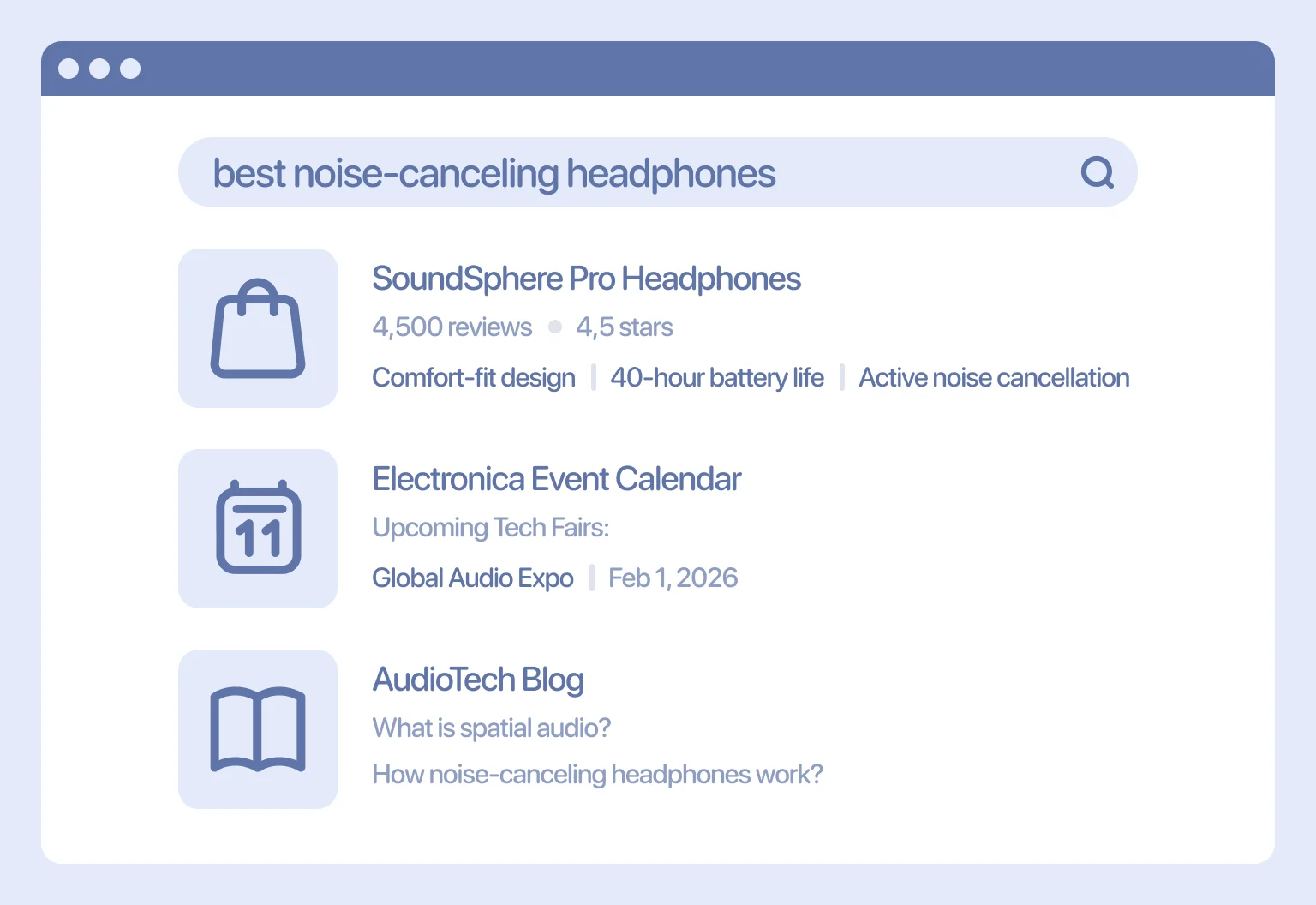
A rich snippet is not the same as a featured snippet. The last one is a pull-short text or a list directly from a page to answer a query at the top of the results. Rich snippets, on the other hand, are powered by schema markup — structured tags that explain your content’s meaning and purpose to search algorithms.
These snippets give search engines clearer signals about your website. When data is formatted correctly, algorithms can present it attractively in the SERP, improving how products, reviews, organizations, and other key information are displayed. If you want to explore how different SERP elements influence ranking and visibility, visit our detailed guide on boosting rank.
Why rich snippets matter for SEO
Rich snippets impact how search engines assess your pages and how users interact with them. These refined search results reshape visibility, engagement, and perceived credibility. Below are the main reasons they matter for long-term growth:
- Better visibility. Rich snippets make your listings more noticeable within search results. By displaying structured data — like product images, star ratings, or event details — they visually separate your content from basic blue links. This added distinction helps your page draw attention even in highly competitive niches.
- Improved CTR (Click-Through Rate). When users see key details upfront — such as pricing, review scores, or recipe times — they can instantly decide if your page matches their needs. That relevance drives more qualified clicks and reduces bounce rates. Over time, this higher engagement signals to search engines that your content satisfies user intent.
- User trust and credibility. Verified, structured information naturally builds confidence. Recognizable schema elements, such as “Reviewed by” or “Published on,” give users assurance that your site is legitimate and up to date. This sense of trust translates into stronger brand perception and higher conversion potential.
- Enhanced on-page metrics. Visitors who arrive through informative snippets tend to stay longer and explore more deeply. Since they already know what to expect, their engagement levels are higher, improving metrics such as dwell time, scroll rate, and interaction per visit. Search engines interpret this behavior as a sign of content quality.
- Competitive edge in SERPs. Implementing structured data early helps your website adapt to evolving Google features before your competitors do. As SERPs become richer with interactive formats, maintaining visibility depends on adopting these data-driven improvements.
When implemented correctly, rich snippets bridge the gap between machine understanding and human interest — driving organic traffic that converts and strengthens long-term SEO performance.
“To be truly seen, your search result needs to convey value upfront, rather than simply relying on its spot in the rankings.”
Types of rich snippets you should know
Different schema markups create different types of expanded results, each highlighting specific details that help users make decisions faster. Choosing the right type depends on your niche, audience intent, and the kind of information your content delivers. For example, an online store might benefit from displaying prices and reviews, while a local business could highlight upcoming events or customer ratings. In this section, we’ll look at the most effective types of rich snippets for SEO — from e-commerce and knowledge-based formats to local, media, and specialized categories.
E-commerce snippets
Product, review, and rating snippets are among the most recognizable. They highlight pricing, stock availability, star ratings, and customer opinions. Structured markup for these snippets comes from the Product and Review schemas. Including average ratings and verified purchase counts can influence purchase intent before users even visit your page. E-commerce platforms benefit immensely from these additions, since they improve the buying experience.
Content and knowledge snippets
Recipe, How-to, FAQ, and Q&A formats fall under this group. They organize information for direct consumption within the SERP; for example, recipe snippets might display prep time, calorie counts, or how-to markup shows step-by-step guides. FAQ and Q&A help users find answers instantly while giving your page more surface area in results. This schema category benefits bloggers, publishers, and tutorial-based platforms that rely on authority and engagement.
Local and event snippets
Event and local business markups highlight essential details such as venue, schedule, promotions, and contact information. For organizations, structured data can also present reviews, locations, and business hours. When implemented correctly, these snippets support local SEO by increasing visibility for region-based queries and helping potential customers find accurate, up-to-date details. Visit local SEO services to explore strategies for improving your local listings. The mentioned snippets reinforce authenticity by showing users that your business is active, trustworthy, and easy to reach.
Media snippets
Videos and podcasts require a dedicated schema because search engines interpret multimedia differently than text-based content. Video snippets can include thumbnails, run time, and publication dates, while podcast markup helps surface episode names and distribution platforms. Adding structured data for these formats improves discoverability in Google Video and Audio results, aligning your media with user intent. This approach benefits publishers, educators, and creators aiming for better visibility across multiple content types.

Specialized snippets
Advanced schema types like Fact Check and Job Posting add unique credibility and functionality to search listings. Fact Check markup highlights verified information, helping audiences trust your source, while Job Posting schema lists open positions directly on the results page, connecting employers and candidates more efficiently. Combined, these specialized snippets demonstrate how schema markup extends beyond traditional use cases, adapting effectively across diverse industries.
How search engines generate rich snippets
Search engines generate rich snippets by reading structured data embedded within your website’s code. This data, formatted through markup languages like JSON-LD, Microdata, or RDFa, helps search engines understand context — identifying what your page elements truly mean instead of just what they say.
Among these options, JSON-LD (JavaScript Object Notation for Linked Data) remains Google’s recommended approach. It allows site owners to add schema markup without disrupting the HTML structure, improving efficiency and reducing the risk of errors during implementation.
Once the structured data is in place, Google’s algorithm assesses its accuracy, consistency, and contextual alignment with visible content. Misleading or mismatched markup can prevent your page from qualifying for enhanced results, making validation an essential step in snippet optimization.
If you’d like to learn how ranking progress typically develops, read our related guide — How long does SEO take. To ensure your technical setup supports proper schema implementation and indexing, book a technical audit with our team.
“Schema markup turns plain data into something search engines can understand — and users can trust.”
Practical steps to get your rich snippets featured
Earning eligibility for boosted listings requires precision and strategic planning. The process involves more than inserting code — it’s about structuring content in a way that search engines can interpret and reward. Each stage, from selecting the right schema to validating its accuracy, influences your chances of appearing with enriched search visuals.
Below, you’ll find the essential steps for snippet optimization — choosing the appropriate markup type, implementing schema correctly, testing for errors, and monitoring performance over time. Following this sequence helps ensure your data is correctly formatted, compliant with Google’s guidelines, and ready to boost your visibility in SERPs.
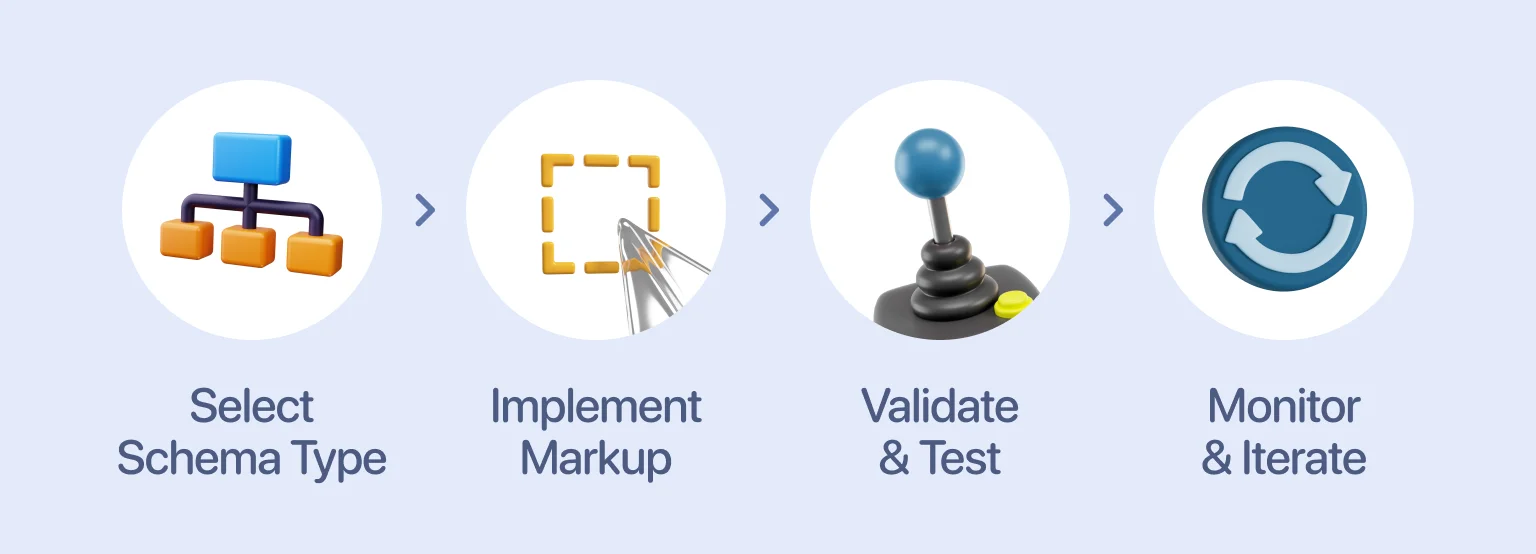
Select the right snippet type for your content
Each webpage should align its schema with its purpose — transactional, informational, or navigational. Picking the correct schema ensures that your content communicates intent clearly to search engines. For instance, a product or service page can use Product, Offer, or Review markup to display prices, availability, and ratings directly on the search results. Informational posts can apply the FAQ or HowTo schema to showcase direct answers or step-by-step guides, while news or editorial content may rely on the Article schema for proper attribution and publishing details.
It’s also important to consider user expectations when selecting a schema. If your visitors come looking for comparisons, guides, or recommendations, use markup types that complement their search behavior. Aligning schema with both search intent and business goals increases your chances of achieving upgraded visibility. The closer your content structure mirrors the user’s purpose, the stronger your rich snippet eligibility and engagement potential.
Implement schema markup and content structure efficiently
Adding structured data correctly is the foundation of rich SEO snippets. The safest and most adaptable way to do this is with JSON-LD — a lightweight JavaScript format that doesn’t interfere with HTML layout. You can embed it directly in the page’s <head> section or through popular CMS plugins like Yoast, Rank Math, or AIOSEO.
When implementing, always reference schema.org documentation to use accurate property names and maintain proper hierarchy. Incorrect nesting, missing attributes, or redundant markup can lead to invalid results. For large websites, creating reusable schema templates for recurring page types (like blog posts or product listings) can save time and ensure consistency.
Equally important is structuring visible content for machine readability. Use clear headings (H1, H2, H3), organize data with bullet points or tables when relevant, and label visual elements logically. A page that reads well to both users and algorithms gains stronger visibility and trust signals. Consistency across layout, schema, and metadata makes your snippet implementation far more effective.
Validate and test your markup
After embedding schema markup, validation becomes your safeguard. Testing ensures your data is correctly interpreted before the page is indexed. Google’s Rich Results Test lets you preview how your snippet might appear and identify missing or incorrect fields. In addition, Search Console’s Enhancements reports display real-time performance insights and potential markup issues.
Check for warnings such as “missing required fields” or “unparseable structured data.” Fixing these early prevents your snippets from being disqualified. For multi-page implementations, schedule periodic reviews to confirm that schema updates or CMS changes haven’t introduced new errors.
If you operate across multiple regions or content types, it’s worth auditing markup consistency between templates. Reliable data presentation reinforces Google’s confidence in your site and ensures you remain eligible for rich snippets even after algorithm updates.
To guarantee full compliance and performance, consider scheduling a technical SEO audit to verify structured data implementation site-wide.
Monitor, iterate, and expand
Rich snippet optimization doesn’t end once your results appear. Ongoing monitoring ensures your upgraded listings remain visible and effective. Use Google Search Console to track impressions, click-through rates, and engagement differences between standard and improved pages.
Analyze shifts in user interaction — for example, if a FAQ snippet boosts CTR but not dwell time, your content may need refinement. Reviewing competitor markup structures helps identify opportunities for improvement or new schema types worth testing. Implementing A/B tests on schema variations (like switching between Review and Product markup) can reveal which presentation style aligns best with your audience.
Expand successful snippet configurations across similar pages to scale results efficiently. For instance, if product review snippets perform well on a few listings, apply the same schema to your broader catalog. Regular iteration ensures your site stays aligned with Google’s evolving snippet standards.
Common pitfalls to avoid
Even well-optimized websites can lose ground if schema markup is implemented carelessly. Rich snippets rely on precision — both in structure and meaning — so small errors can block eligibility or reduce visibility. Understanding the most frequent mistakes helps safeguard your SEO investment and ensures that your markup remains compliant with evolving standards.
- Invalid or mismatched markup
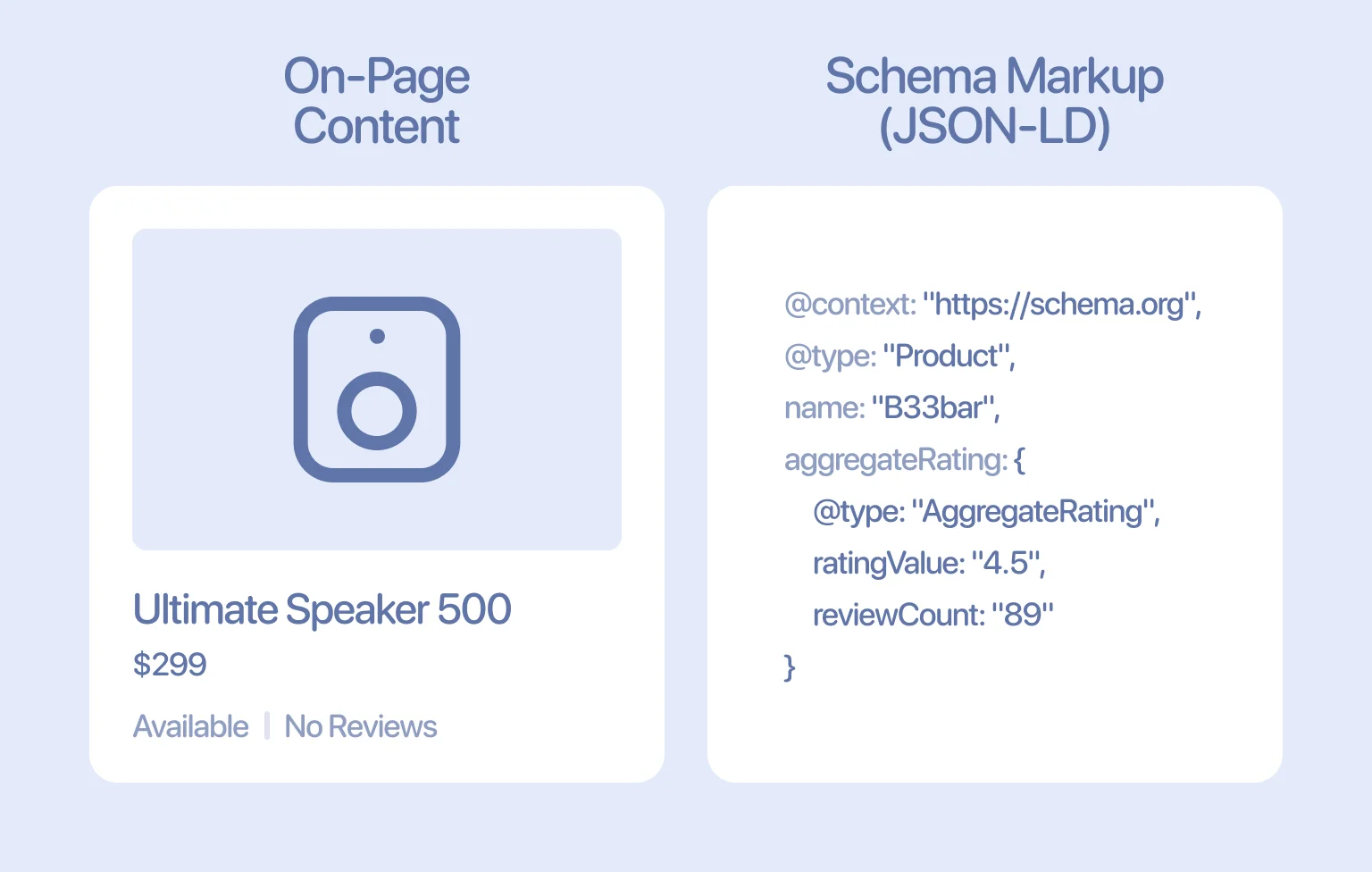
One of the most damaging issues occurs when structured data doesn’t match visible content. For instance, marking a review schema without showing actual ratings on the page can cause a manual action. Always verify that every property — from author name to price or availability — mirrors on-page information.
- Outdated schema versions
Schema.org updates frequently, and older property names or types may lose support. Using deprecated fields can cause errors in Google’s validation tools. Regularly check for updates and refresh your schema definitions to maintain compatibility with the latest standards.
- Overstuffed or artificial content
Writing solely to trigger snippets weakens your message. Search engines recognize forced keyword use and redundant markup. Keep your language natural, and ensure schema supports — not replaces — genuine user value. Rich snippets should complement your content, not define it.
- Ignoring mobile and voice search
Many snippets now appear through mobile-first indexing and voice assistants. If your schema lacks mobile compatibility or structured data for conversational queries, your reach will shrink. Test snippets on different devices and optimize descriptions for spoken language formats.
Ensuring every structured field accurately reflects visible text prevents confusion for crawlers and users alike. Accuracy is what makes structured data effective. For detailed guidance on preserving rankings during a visual or structural update, explore the article Redesign without losing SEO. And if your site is undergoing a major move or CMS transition, consider our SEO migration services to retain existing snippet equity and visibility.
“Instead of rewarding disorganized content, search engines reward precision. Code that is clear and correct will always rank better.”
Case examples / mini-examples
Different schema types perform best in specific contexts, and the results can be significant when applied strategically. Below are short examples showing how structured data improves visibility, engagement, and conversions across industries.
- Event Organizer. A concert venue structured its upcoming performances using Event markup. Dates, times, and ticket links appeared directly on the SERP. As the schedule updated automatically, impressions and click-throughs grew steadily, reducing dependence on paid promotion.
- Media Platform. A podcast network introduced the PodcastEpisode schema for each episode, helping Google identify topics and availability on streaming platforms. This boosted visibility across Google Podcasts and enhanced discoverability for long-tail searches.
Each of these examples demonstrates how aligning types of rich snippets with specific business goals amplifies performance. When structured data mirrors the real-world purpose of your page, both users and algorithms respond with higher trust and engagement.
Future trends in rich snippet optimization
Rich snippets continue to evolve as search behavior, AI, and user expectations change. Staying ahead requires awareness of how structured data adapts to these shifts. Here are the key trends shaping the future of snippet optimization:
- Voice search integration. Voice assistants increasingly depend on structured data to generate accurate spoken answers. Pages with precise schema markup are more likely to power voice responses, making optimization crucial for conversational queries.
- AI-generated overviews. Google’s AI-driven summaries rely on verified structured content to determine factual accuracy. Sites with rich, consistent markup gain stronger visibility in AI-powered SERP overviews and context cards.
- Evolving schema types. Emerging schema formats — Fact Check, FAQ, and Review — improve how information is verified and displayed. Using an updated schema ensures your site remains eligible as search engines refine their interpretation models.
- Zero-click search experiences. Rich snippets now support results that provide complete answers without requiring a click. Structuring content for these experiences increases brand exposure and authority, even when traffic doesn’t immediately follow.
Keeping pace with schema.org updates and monitoring new integrations helps sustain long-term visibility. For expert assistance in aligning your SEO strategy with these trends, explore our SEO consulting services.
“Structured data is the foundation of machine understanding — those who master it will define the future SERP.”
Final thoughts
Rich snippets have become one of the most practical tools in SEO for improving how search engines and users perceive your content. They boost visibility, strengthen engagement, and build trust before visitors even reach your page.
Accurate implementation of schema markup leads to measurable growth in both traffic and conversions. Choosing the right schema type, validating your data, and updating markup over time creates lasting performance gains. When strong content aligns with structured data, your site stands out naturally — delivering information that’s both accessible and credible.
FAQ
What exactly is the difference between rich snippets and featured snippets?
Featured snippets extract direct answers from your page to display at the top of results. Rich snippets, in contrast, enhance standard listings with additional data such as ratings, price, or reviews.
Which schema formats are easiest for non-developers?
JSON-LD is the simplest because it doesn’t modify existing HTML. It can be inserted manually or via plugins without breaking your layout.
How long does it take to see results after implementing rich snippets?
Search engines usually re-crawl updated pages within a few days to several weeks. Visibility depends on indexing speed, competition, and markup accuracy.
Can testing markup hurt my SEO?
No, testing schema using Google’s tools has no ranking impact. Errors appear only in reports, allowing safe adjustments before publishing.
Should I prioritize structured data or content improvements?
Both are essential. Structured data boosts how search engines interpret your content, but genuine relevance and value keep users engaged once they click.